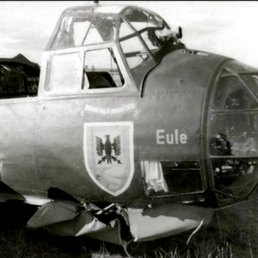

Introduction
The Battle of Britain
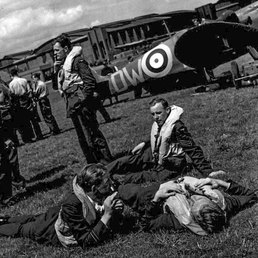
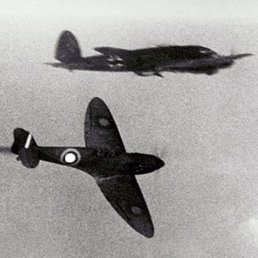
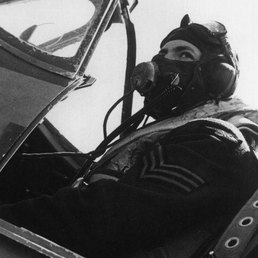
Between 10 July and 31 October 1940, the 2,938 airmen of RAF Fighter Command, “The Few”, defended the United Kingdom against the might of Nazi Germany’s air force, the Luftwaffe. It was the first major campaign fought and won entirely in the air, Adolf Hitler’s first major defeat and a turning point of the Second World War.
Just another lump of metal?!
There is no such thing in this Museum!
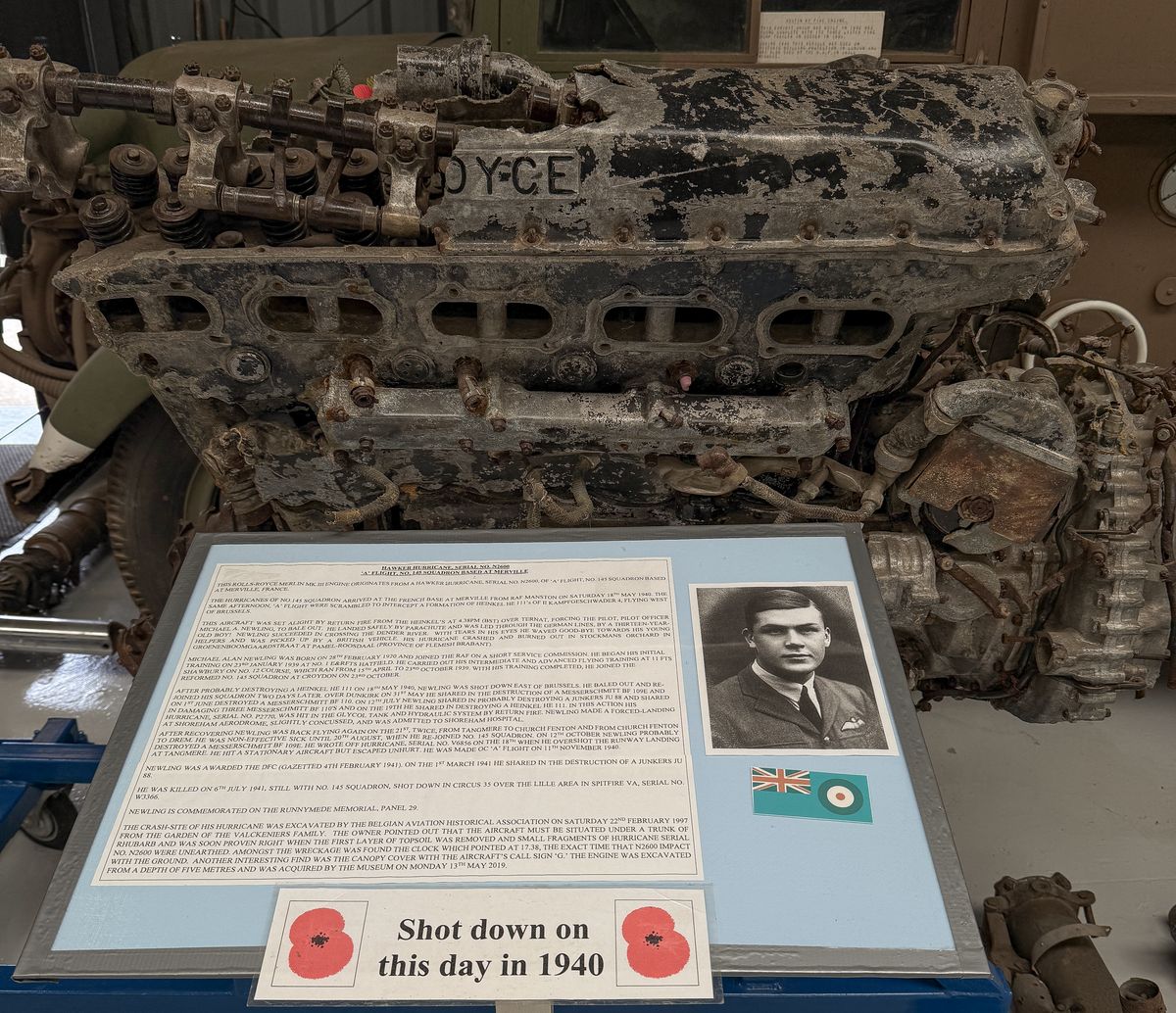
Every piece of wreckage in the Museum is the reason to tell the story of a brave young man, Allied or Axis, often in his late teens or early twenties, and many of whom did not return to their loved ones. Each man fought, and many died, for what he believed in, or had been taught to believe. By their achievements ‘The Few’, backed up by ‘The Many’, stopped the invasion of Great Britain by Nazi Germany in the summer of 1940.
More than an aircraft museum
The Kent Battle of Britain Museum at Hawkinge is the largest museum in the world dedicated primarily to the Battle of Britain and the aerial conflict during the Battle of France. Yet it is not an aircraft museum. It is a museum of people: the men and women, Allied and Axis, who flew, fought and served in 1940, and the civilians whose lives the Battle touched.
The Museum stands on the grounds of the former RAF Hawkinge, the nearest front-line fighter airfield to occupied France in 1940, where many of those stories took place.
Every exhibit tells a story
- Real people, real lives: letters, uniforms, medals and personal effects bring to life the pilots, aircrew, ground crews and civilians on both sides.
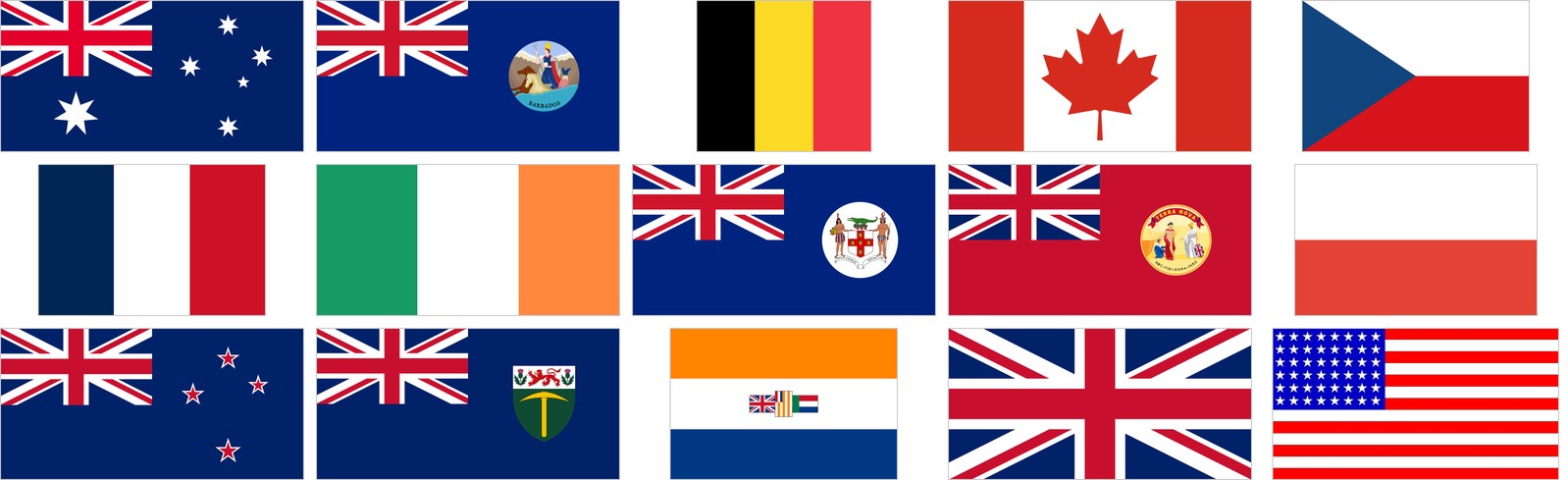
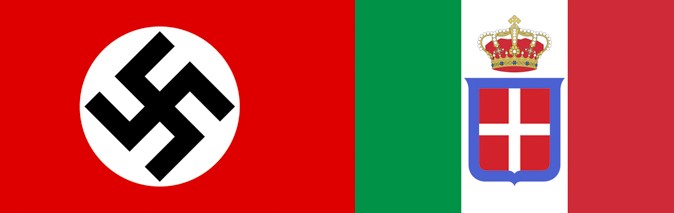
- From many nations: national flags on the displays are a reminder that “The Few” were not only British, but came from across the Commonwealth, from several countries of occupied Europe, and from neutral Ireland and the United States.
- Wreckage with a name: items recovered from more than 700 shot down aircraft are displayed alongside the stories of the pilot (and sometimes their aircrew) who flew it and those who shared in its destruction.
- The aircraft as the backdrop: Spitfires, Hurricanes and Messerschmitt Bf 109Es, a rare Heinkel He 111 and Boulton Paul Defiant, our Bristol Blenheim project, Junkers Ju 52/3M, Fieseler Storch, the world’s only Westland Whirlwind, the “Spirit of The Few” Monument and the statue of ‘The Last of The Few’ – G/Capt. ‘Paddy’ Hemingway, who was our last surviving Allied Battle of Britain pilot, set the scene for the people’s stories.
The nations of the airmen, on both sides, who fought in the Battle of Britain. Hover over or tap the flags to see them named.
Learn more about the museum, discover their stories for yourself — plan your visit.
